Software Pricing Volatility Is the New Enterprise Risk


Gone are the days of predictable software costs. AI pricing, consumption-based billing, and renewal inflation are creating budget volatility most organizations are unprepared to manage.
The impact is already showing up across enterprise operations. Zylo’s 2026 SaaS Management Index found that, over the last year, 78% of IT leaders experienced unexpected AI or consumption-related charges.
Vendors are changing pricing models faster than enterprises can adapt, making software and AI spend harder to forecast, govern, and control.
Organizations still managing SaaS through spreadsheets, fragmented ownership, and reactive renewals are losing financial flexibility. The companies adapting fastest are treating software spend as an operational discipline across IT, Procurement, FinOps, and SAM teams.
AI Didn’t Reduce SaaS Complexity — It Intensified It
AI was expected to simplify enterprise operations and help teams work faster. And it has. What we didn’t foresee are the consequences of rapid adoption: costs that change by the day, budget overruns, and tried-and-true management practices that don’t work.
Consumption Pricing Broke Traditional Forecasting Models
Until AI went mainstream, SaaS spend was easier to forecast because it was based on relatively static licensing models. You’d purchase a set number of licenses at specific tiers for a specific per-user cost.
With consumption-based pricing, usage influences cost in real-time through compute consumption, API calls, AI creates, and feature activation. It can differ from day to day and week to week.
Major vendors like Salesforce, Microsoft, and Adobe continue introducing AI bundles and premium pricing models that materially change contract costs over time. Meanwhile, AI-native apps like ChatGPT and Anthropic charge by model use at different per-unit price points.
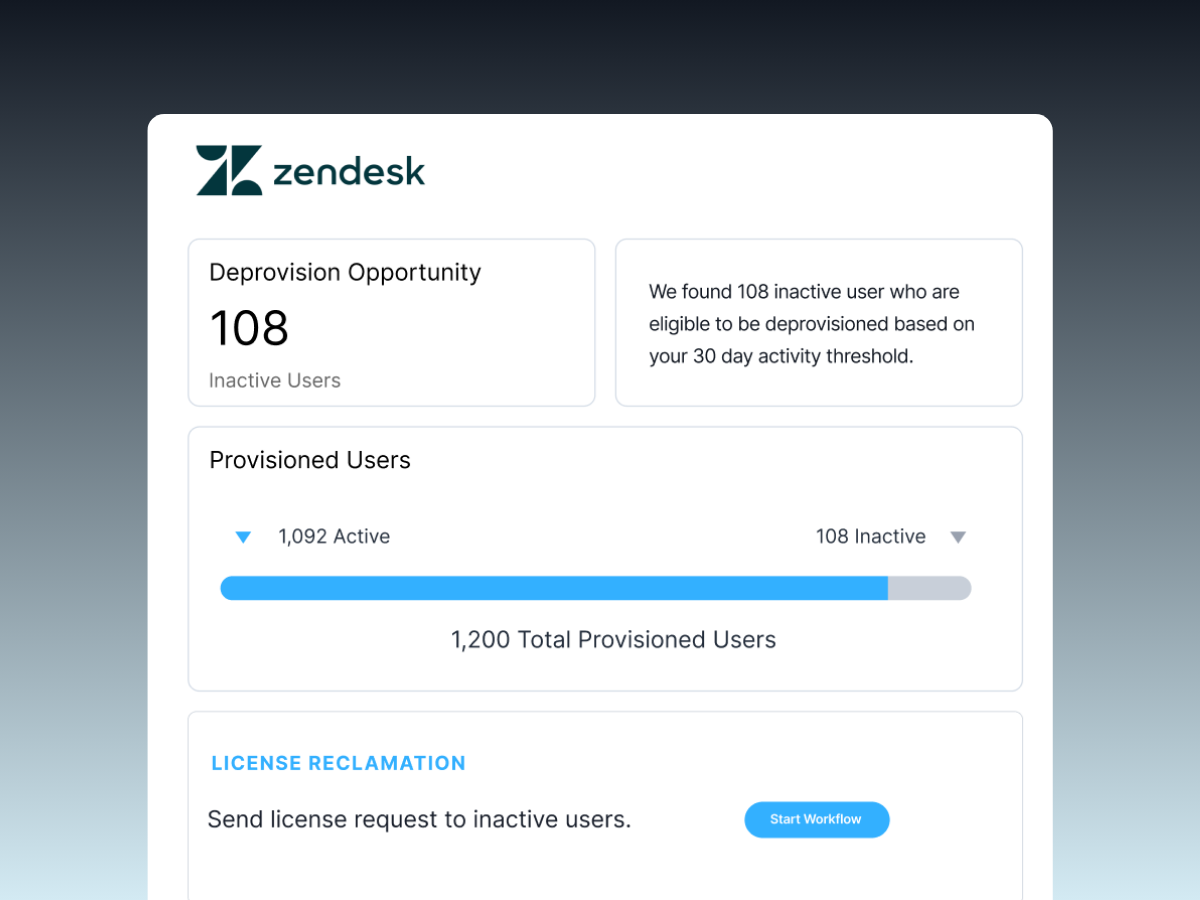
That means tactics you employ for seat-based SaaS—like license reclamation and rightsizing—don’t translate to managing consumption-based SaaS and AI.
Decentralized AI Adoption Is Expanding Financial Risk
Like in the early days of SaaS, business units and employees trial and adopt AI tools long before IT establishes governance or financial controls. Shadow AI is the new shadow IT.
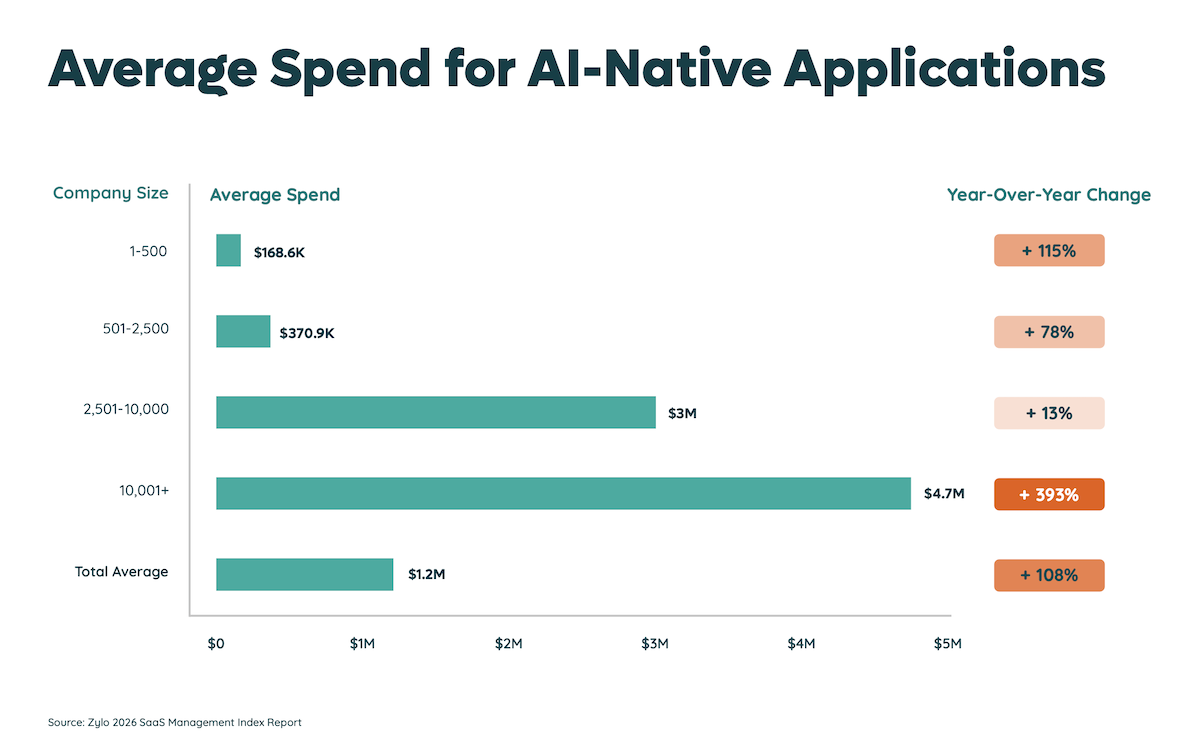
At Zylo, we’ve seen this pattern emerge among our clients. The 2026 SaaS Management Index found that average spend on AI-native apps rose 108% year over year. Meanwhile, ChatGPT was the most-expensed application, while apps like OpenAI API, Cursor, and Midjourney were among the top 50.
Decentralized AI adoption creates operational blind spots around spend, compliance, and renewals. Pricing variability accumulates throughout the contract lifecycle, making ongoing monitoring of usage and emerging AI spend essential for maintaining budget control.
Why Traditional SaaS Management Models Are Falling Behind
Traditional SaaS management is falling behind because:
- Legacy governance models assume costs stay fixed
- Fragmented ownership delays risk detection
- Consumption cost management no longer centers on renewals
Legacy Governance Models Assume Costs Stay Fixed
Traditional SaaS governance helps IT establish centralized control of an organization’s software—based on the assumption that costs stay fixed. You’d build a comprehensive SaaS inventory, roll out a procurement policy, reclaim unused licenses each quarter, and negotiate prices at renewal.
Variable costs require a different approach. IT teams must have ongoing oversight into costs, including how they’re tracking toward spend commitments, what is driving costs, and educating employees on efficient AI use.
“Software no longer behaves like a fixed cost. AI is accelerating that shift faster than anything we’ve seen. But speed without visibility becomes a liability.”
— Matt DiAntonio, Chief Product Officer, Zylo
Fragmented Ownership Delays Risk Detection
For many organizations, SaaS management remains fragmented across IT, Procurement, SAM, and FinOps teams. Each team works independently and from different applications and data sources.
Because of that, no one has a complete view of all software spend—or the growing cost exposure for the business. Without a shared ownership model, financial risk is harder to identify, track, and remediate.
Consumption Cost Management No Longer Centers on Renewals
Renewals are a critical cost-savings moment for traditional, contracted SaaS spend. However, due to its variable nature, usage-based SaaS centers on consistent monitoring to manage costs—not on renewal events.
IT and SAM leaders who prioritize renewals for AI and consumption-based software will fail to stay ahead of spend. Budgets overruns will become the norm, putting greater financial pressure on the bottom line.
Renewals Are Becoming Financial Risk Events
Renewals have always been a critical checkpoint in the application lifecycle. Now, they are high-pressure financial negotiations shaped by AI pricing, consumption growth, and shrinking pricing transparency.
Contract Costs Are Increasing
Vendors are introducing AI bundles, premium tiers, and usage-based pricing that can materially change contract costs long before renewal discussions begin.
In the past year, Zylo’s 2026 SaaS Management Index found that 79% of IT leaders saw price increases at renewal. But it doesn’t stop there. Three-quarters (77%) of respondents experienced unexpected costs after the contract was signed.
Many organizations lack the operational insight to detect those increases early enough to respond strategically.
Consumption Pricing Makes Renewals Harder To Control
Traditional renewal strategies depend on predictable licensing and stable usage patterns, making renewal conversations relatively straightforward. In 2026, consumption pricing has flipped the script—and leverage in renewal negotiations is suffering.
Organizations are entering renewals with less clarity around usage trends, pricing exposure, and future software costs. Multi-channel purchasing and decentralized AI adoption further reduce leverage by fragmenting spend across departments and contracts.
Reactive Renewal Management Accelerates Risk
Many organizations still manage renewals in a spreadsheet, and often don’t have enough time to prepare properly.
Reactive renewal management accelerates financial risk because:
- You don’t know how many licenses you need or what an appropriate AI spend commitment is. It’s easy to over- or underestimate.
- No benchmarking analysis was done to ensure you’re paying a fair price.
- Your negotiation leverage with the vendor is weakened.
- You miss the cancellation window for a deprecated app and are committed to another contract term.
The Visibility Problem Is Bigger Than Most Executives Realize
Most enterprises believe they understand their software environment. Yet, Zylo data shows that organizations underestimate their SaaS spend by as much as 300%. The only software they see is what moves through approved procurement and IT workflows.
Without centralized oversight, AI tools, shadow IT, redundant applications, and renewal exposure continue to expand across the environment.
App Discovery Alone Cannot Control SaaS Risk
Many organizations still treat app discovery as the benchmark for SaaS visibility. Discovery matters, but inventory alone does not explain spend behavior, contract exposure, or consumption growth. And it’s difficult to match applications to spend.
To take better control of software pricing volatility, it requires knowing what you’re paying for. Starting with financial discovery fills gaps that app-first discovery leaves, such as:
- What apps are purchased and for how much
- Who purchased an application—a department head or individual
- The source of a payment: accounts payable, expense, or purchase order
- Duplicate spend and contracts
- Emerging consumption costs
Disconnected Data Delays Action
Software data remains fragmented across ERP systems, expense platforms, SSO providers, procurement workflows, and vendor portals. Siloed data can lead IT, procurement, and FinOps teams to delay taking action or act without complete information.
For example:
- IT may identify an application without understanding spend trends.
- Procurement may manage renewals without understanding actual usage.
- FinOps may monitor budgets without insight into software redundancy or contract exposure.
Operational Discipline Is a Competitive Advantage
Software pricing volatility is widening the gap between organizations operating proactively and those reacting after costs escalate.
Leading enterprises are building operational discipline around governance, renewal management, and cross-functional accountability. SaaS Management is shifting from a cost optimization initiative into an operational capability.
Mature SaaS Operations Reduce Financial Volatility
Organizations with mature SaaS operations ride the tide of volatile software pricing, because they have insight into spend, licensing, usage, and renewals. Those insights make governance more effective, allowing teams to move faster and contain costs. Meanwhile, less mature organizations face rising waste and weaker budget control.
Continuous Governance Creates Long-Term Cost Control
Periodic SaaS reviews no longer move fast enough for modern software environments. AI pricing, decentralized purchasing, and consumption growth require ongoing operational oversight.
Organizations adapting fastest are building:
- Centralized SaaS and AI systems of record
- Ongoing renewal monitoring
- Usage-based optimization workflows
- Cross-functional operational reviews
Earlier insight improves negotiating leverage, reduces unnecessary spend, and limits financial surprises before renewal pressure intensifies.
“Without financial governance and ownership of AI-based spend, it will spiral.”
— Jez Back, Cloud Economist and Global Offer Leader at Capgemini Invent
Software Volatility Requires A Different Operating Model
Software costs will become more dynamic as AI adoption expands and vendors continue shifting toward consumption-based monetization. Organizations waiting for pricing stability to return will continue losing budget flexibility.
SaaS Management Platforms (SMP) like Zylo help enterprises create a centralized system of record for software and AI discovery, spend, usage, and renewals. That way, IT, Procurement, SAM, and FinOps teams can operate with shared visibility and stronger control over SaaS operations.
Build Control Before Pricing Volatility Erodes Your Budget
Software pricing volatility is not slowing down. AI monetization, consumption-based pricing, and decentralized purchasing are making software and AI spend harder to forecast and control.
Organizations that treat SaaS Management as an operational discipline will be better positioned to control costs, reduce risk, and protect budget flexibility as software economics continue to evolve.
IT, Procurement, SAM, and FinOps teams use Zylo to operate from a centralized SaaS system of record with visibility into software discovery, usage, renewals, and spend. Learn more about Zylo’s SaaS and AI spend optimization capabilities or request a demo to see how leading enterprises are gaining greater control over software costs.