How to Build a Savings Pipeline for SaaS Renewals


Updated January 30, 2026 with new data
SaaS budgets are tight, and you’re being asked to reduce spend without slowing your roadmap. But if you’re like most IT and procurement leaders, you don’t have a reliable view of all software across your organization, what it costs, or how it’s used. That lack of clarity makes renewals unpredictable and hides the savings you know are there.
A SaaS savings pipeline brings order to messy renewals and turns them into a repeatable, measurable source of cost reduction. With every renewal visible, prioritized, and backed by usage data, you can forecast savings, avoid last-minute fire drills, and walk into vendor negotiations with real leverage.
What Is a SaaS Savings Pipeline?
A SaaS savings pipeline is a structured, prioritized view of upcoming SaaS renewals that shows where you can reduce software spend. Companies can accomplish this by:
- Cutting waste and unnecessary spending
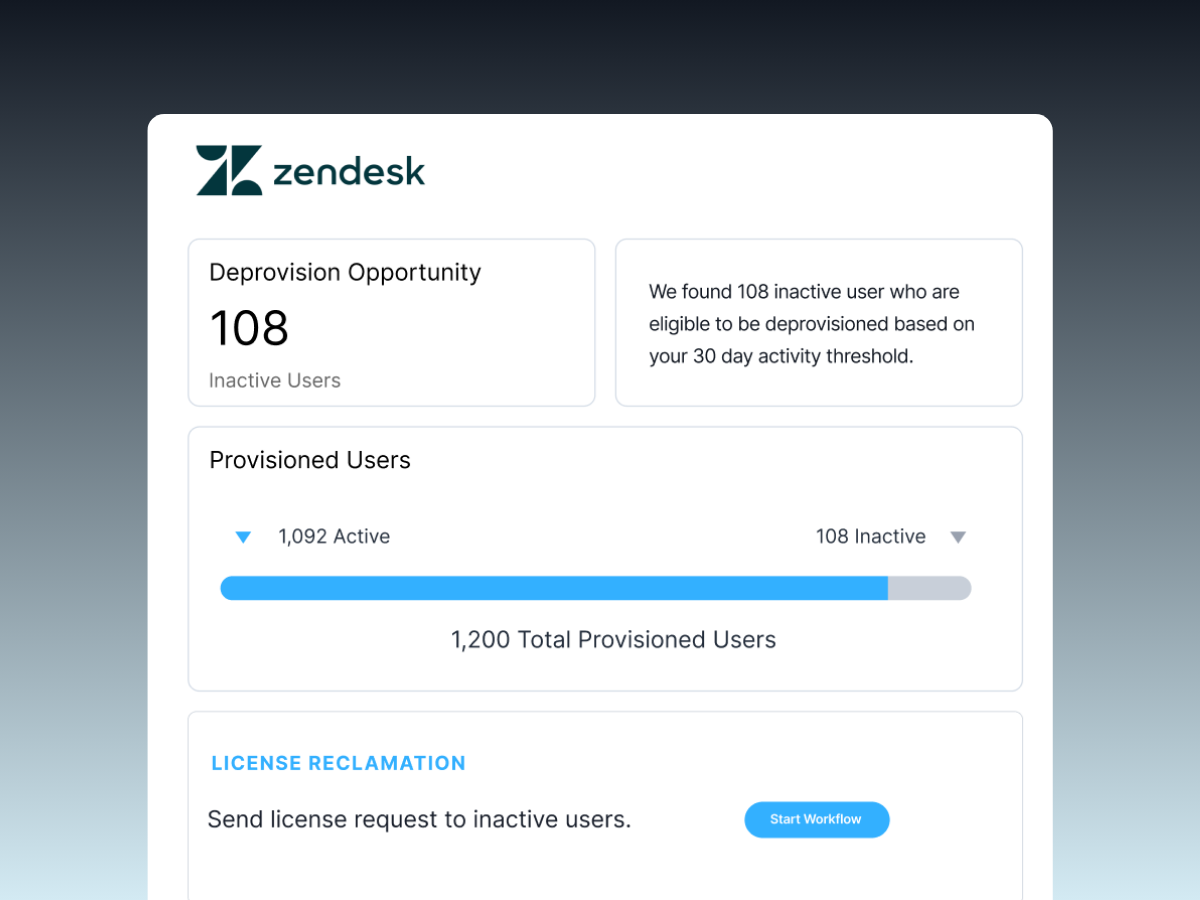
- Reclaiming unused licenses ahead of renewal
- Actively negotiating better terms with SaaS vendors
It works like a sales pipeline, but instead of forecasting revenue, you’re forecasting savings opportunities across your SaaS stack. In SaaS Management, this pipeline gives you the visibility and predictability you need to plan, sequence, and execute savings throughout the year.
Why Managing SaaS Spend Is More Important Than Ever
SaaS costs are accelerating faster than most IT budgets, and you’re doubtless feeling that pressure every renewal cycle.
- Vendors are raising list prices
- AI add-ons are showing up on contracts
- Consumption-based or hybrid pricing models make it harder to anticipate actual costs
Gartner forecasts show that software spend will only continue growing, predicting 15.2% growth in 2026 to $1.43T. Zylo data shows the same trend. Today, annual SaaS spend averages $55M per organization and costs will skyrocket as application sprawl increases.
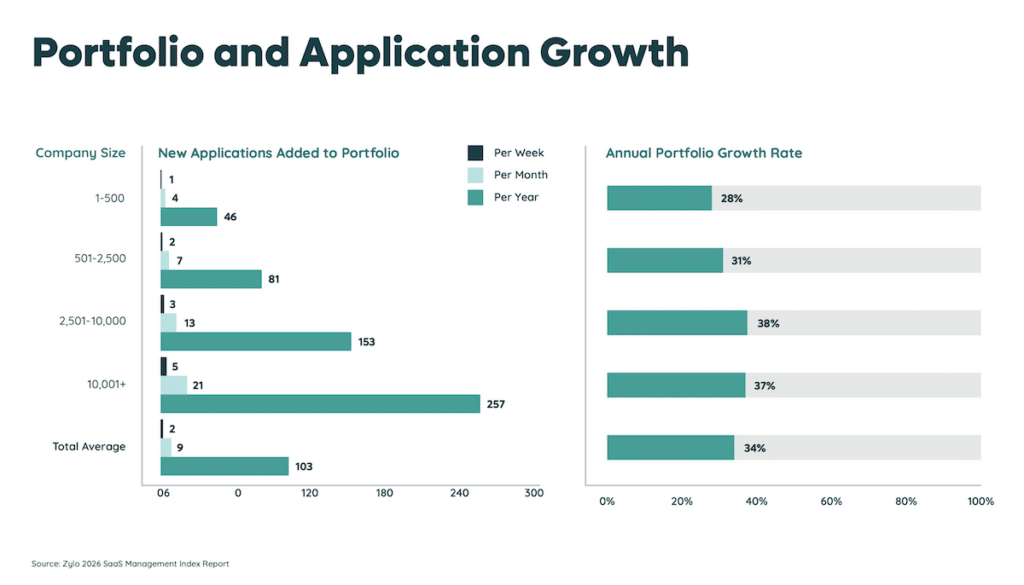
License waste and unexpected costs only compound the problem. According to the 2026 SaaS Management Index, organizations use just 54% of their licenses on average, driving an average of $19.8M in waste annually. In addition, 78% of IT leaders we surveyed reported unexpected charges tied to consumption-based or AI pricing in the last year.
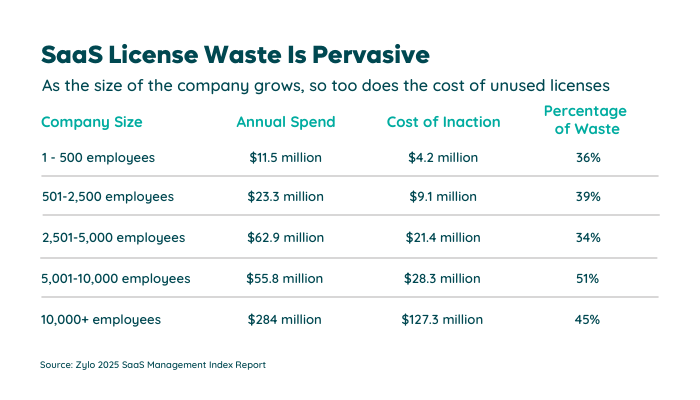
SaaS spending has become more unpredictable. Without reliable visibility into what you use and pay for, these shifts translate directly into overspend. A savings pipeline helps you identify waste early, anticipate financial risk, and stay ahead of price increases rather than reacting to them after they hit your budget.
Cost-Savings as a Strategic Outcome of SaaS Management
Cost savings is one of the most tangible business outcomes of SaaS Management that results in improved financial performance and positive impact on budgets. It occurs at time of renewal, which is effectively the only moment to achieve savings, outside of consumption-based models. That’s because—at that moment—you can make changes to contract terms or cancel applications altogether.
Measuring savings wins over time and reporting them to leadership demonstrates financial discipline and illustrates program ROI. This helps:
- Tie savings to clear, defensible changes
- Reinforce operational efficiency across the software lifecycle
- Support leadership priorities without requesting additional budget
5 Steps To Building A SaaS Savings Pipeline
To build a SaaS savings pipeline around renewals, focus on these five steps, which should be repeated for each renewal:
- SaaS spend review
- Application prioritization to maximize cost savings
- Process definition and change management
- Renewal execution and license reclamation
- Value reporting
Watch the full webinar below, where D. Wayne Poole and Delainey Trost expand upon these steps.
Step 1: SaaS Spend Review
Your savings pipeline starts with an accurate view of what you are actually buying. A SaaS spend review helps you understand:
- When renewal dates occur
- A breakdown of spend by applications, departments, and source
- Where hidden waste resides
To build a solid foundation, you should:
- Aggregate SaaS spend from AP, expense systems, and card transactions into one view.
- Identify long-tail SaaS apps and decide which should be consolidated or retired before they renew.
- Assign clear ownership for every application so someone is accountable at renewal time.
- Capture contract terms, renewal dates, notice periods, and license counts in a single system of record.
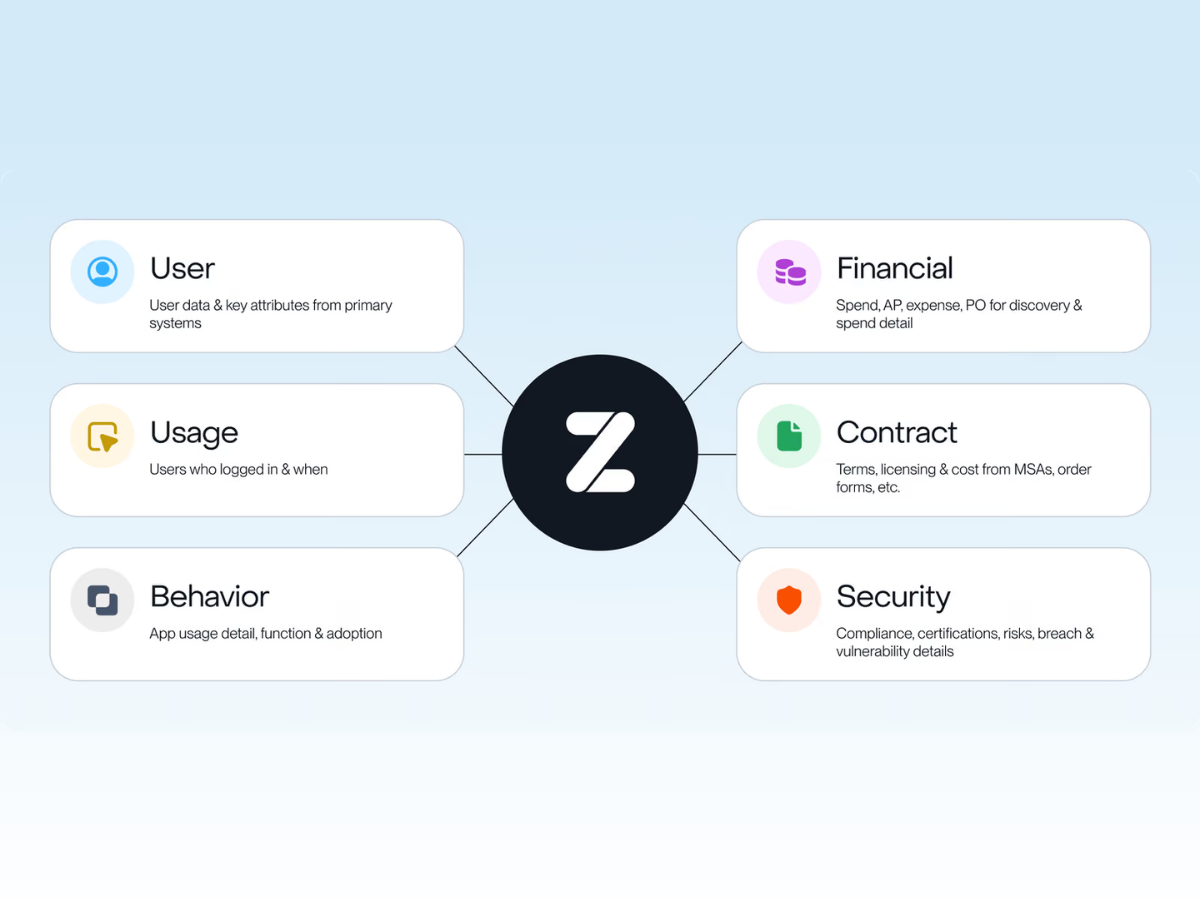
Start with financial discovery, like Zylo’s, so you can capture every dollar and subscription, including long-tail SaaS apps and shadow IT. These tools often renew quietly, duplicate capabilities you already own, and can make it harder to control overall spend.
Step 2: Application Prioritization to Maximize Cost Savings
With a clean inventory in place, determine which applications should be prioritized. Follow these steps:
- Identify all the renewal dates over the next 12 months.
- Determine your priority applications based on your highest-cost or IT-owned applications. Focus on contracts with the greatest savings potential.
- Map the renewal dates for your selected applications. This is your SaaS savings pipeline.
The average organization has 247 renewals annually, so it’s ineffective to manage all of them with the same level of rigor. By prioritizing your applications, you can focus on the contracts with the greatest savings potential.
For additional context on prioritization, you can align this step with Zylo’s principles for strategic portfolio management.
Step 3: Process Definition and Change Management
When your organization has inconsistent renewal processes, it can be difficult to realize consistent outcomes. Define a standard renewal process—with cross-functional buy-in—to turn your savings pipeline into a true operational motion.
To make that motion stick, you should:
- Define how license reclamation fits into the renewal timeline so it happens before you negotiate.
- Clarify responsibilities across app owners, IT, procurement, and finance so decisions are not left to the last minute.
- Keep ownership, usage data, contracts, and renewal dates current so teams are working from trusted information.
- Establish renewal alerts and workflow steps that trigger well before key dates.
Change management is what makes this process usable in the real world. Sharing success stories from peers who improved renewal discipline through SaaS change management and SaaS Ops can help reinforce why a defined renewal process matters. Zylo’s broader guidance on SaaS Operations shows how this function becomes part of everyday work.
Step 4: Renewal Execution and License Reclamation
The execution of every renewal should follow the same milestones, so that you avoid automatic renewals, rushed timelines, and locking in unnecessary waste.
A simple but effective timeline looks like this:
- 120 days before renewal: Align with the app owner on whether the tool still fits current and future needs.
- 90 days before renewal: Reclaim unused or low-use licenses and validate entitlement accuracy.
- 60 days before renewal: Benchmark pricing, compare alternate packaging, and model different license counts.
- 45 days before renewal: Enter negotiations using verified usage, spend history, and market expectations.
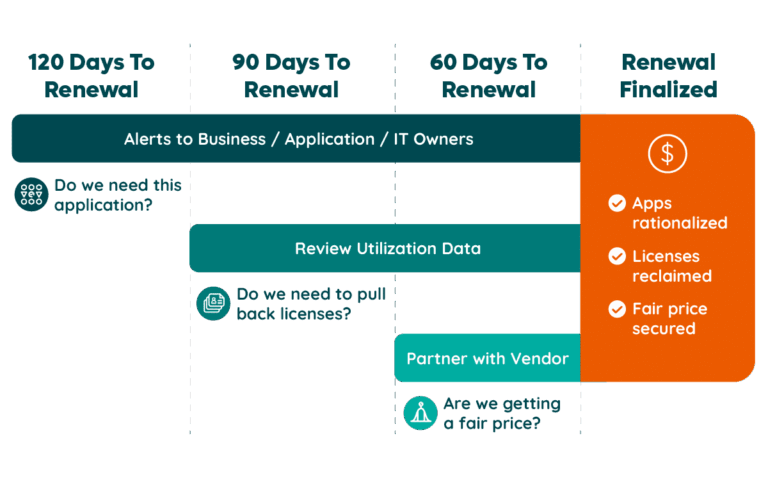
At each renewal, ground the conversation in three key questions:
- Does this application still justify its place in the portfolio?
- Are you paying for licenses that no one is using or needs at a higher tier?
- Does the current price and contract structure reflect how your organization actually uses the tool?
Approaching renewals this way turns them into structured opportunities for hard cost savings and cost avoidance, rather than recurring risks.
Step 5: Value Reporting
Transparent reporting:
- Closes the loop between renewal execution and the cost-savings outcomes executives care about
- Helps forecast future savings
- Justifies continued investment in SaaS Management
Effective reporting should:
- Highlight realized savings and cost avoidance in a format that finance and executives recognize.
- Track progress against quarterly and annual savings goals so you can adjust your pipeline.
- Attribute outcomes to specific actions such as reclamation, consolidation, or renegotiation.
- Provide role-based views so CIOs, procurement leaders, and app owners see what matters to them.
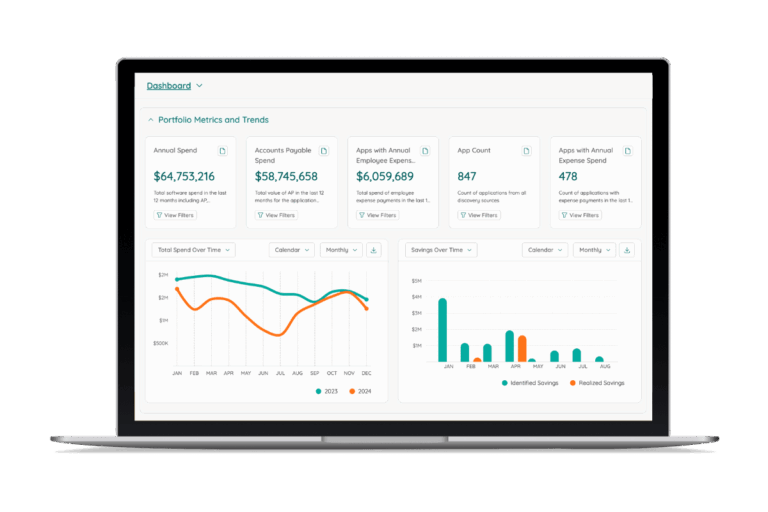
Data storytelling and executive dashboards make it easy to communicate how your SaaS savings pipeline is performing and where the next wave of savings will come from. Over time, this reporting proves that renewals are a durable source of SaaS cost savings.
How Everbridge Operationalizes Renewals for Cost Savings
Everbridge faced what many companies do: an incomplete picture of their SaaS landscape. Shadow IT, redundant apps, and unassigned owners led to overspending and inefficient renewals. Without a reliable system of record or clear accountability, cost savings were nearly impossible to realize.
The Solution
Led by Alisa Lavrentyeva, Procurement and Facilities Manager at Everbridge, the team took a proactive, programmatic approach:
- Cleaned and centralized SaaS data in Zylo.
- Secured CIO-level backing and top-down accountability.
- Ran hands-on, data-driven sessions with app owners to validate usage and ownership.
- Turned renewals into a strategic process powered by insights, not guesswork.
The Results
- Immediate cost savings by eliminating unused, redundant, and shadow applications.
- Faster renewals, with accurate data and documentation in place before deadlines.
- Increased visibility into SaaS spend and ownership across departments.
- Stronger collaboration between procurement, IT, and business stakeholders.
- New guardrails for software purchasing, including policy updates for credit card use.
Watch the full webinar below to see how Alisa walks through their process step by step, and how you can apply the same strategy to your renewal process.
Create a Repeatable Savings Engine with Zylo
A SaaS savings pipeline is most effective when supported by the right data, workflows, and governance. With complete visibility into your SaaS spend, renewal dates, and unused licenses, you can prioritize savings opportunities with confidence—and act before you miss them. Zylo helps your team build the operational rhythm powered by data and automation to turn your renewal calendar into a predictable engine for savings.
Find the spend. Prioritize your renewal calendar. Start saving. Explore how Zylo supports your cost-savings goals with its SaaS spend management solution, or schedule time with our team to see how it works in practice.
Frequently Asked Questions about SaaS Savings
You reduce software costs by acting early in the renewal cycle and using accurate data to guide decisions. The most effective levers include:
- Removing duplicate or redundant tools
- Reclaiming unused or inactive licenses
- Consolidating contracts across teams
- Negotiating with validated usage and spend insights
A consistent renewal process ensures these steps happen every time—not only when someone flags an issue.
Zylo helps organizations save money at scale. Combining its enterprise-ready platform and industry expertise, Zylo ensures you:
- Know what apps you have, who’s using it, or what it costs
- Stop paying for seats no one touches
- Prevent last-minute renewal scrambles that lead to overspending
- Find tools people buy without telling you so you don’t overspend
IT cost optimization aligns spend with real usage and business value. For SaaS, this usually involves:
- Reviewing entitlements and usage trends
- Identifying overlapping applications
- Adjusting license levels before renewal
- Coordinating decisions across IT, finance, and procurement
This approach helps you keep the tools your teams rely on while eliminating unnecessary cost.
A renewal is your chance to evaluate whether a tool still meets business needs. It’s also when you determine:
- How many licenses you actually require
- Whether your pricing aligns with benchmarks
- Whether the contract still fits your environment
It is the most opportune moment for spend to formally go down.
Many enterprises underestimate their SaaS spend by 300%. Hidden waste usually comes from:
- Unused or underutilized licenses
- Redundant applications
- Shadow IT purchases
- Auto-renewing contracts that never receive review
Accurate discovery and an ongoing renewal pipeline surface this waste and turn it into measurable savings.
A renewal calendar consolidates everything you need to plan ahead, including:
- Contract end dates and notice periods
- Application and business owners
- Usage and entitlement details
- Renewal milestones and dependencies
Most enterprise teams rely on a SaaS Management Platform like Zylo to keep this calendar accurate as contracts and ownership change.
The most important data inputs for contract optimization include:
- Current license counts and entitlements
- Actual user-level utilization
- Total cost, contract terms, and renewal dates
- Pricing benchmarks and historic spend trends
With these details aligned, you can rightsize licenses and negotiate from a stronger position.
Teams should begin a renewal review 90–120 days in advance from the contract end date. This window allows time to:
- Validate utilization
- Reclaim unused or low-use licenses
- Evaluate contract terms and pricing
- Consider alternatives or consolidation opportunities
Starting early increases leverage and helps avoid last-minute renewals that lock in unnecessary cost.
A SaaS savings pipeline is a prioritized view of upcoming SaaS renewals that shows where you can reduce software spend. It works like a sales pipeline, but instead of forecasting revenue, you’re forecasting cost-savings opportunities, enabling IT and procurement to consistently execute savings throughout the year.